A practical sourcing guide to coating cleaners, bulk alkaline degreasers, and 550 ml rust-removal foam for importers and private-label buyers.
Sourcing professional cleaners requires more than comparing a grease-removal claim and unit price. Importers should examine the contaminant, substrate, application method, packaging format, and local compliance requirements. A well-defined brief makes it easier to select from different degreaser solutions without placing unrelated products in the same specification.
Start with the surface and contaminant
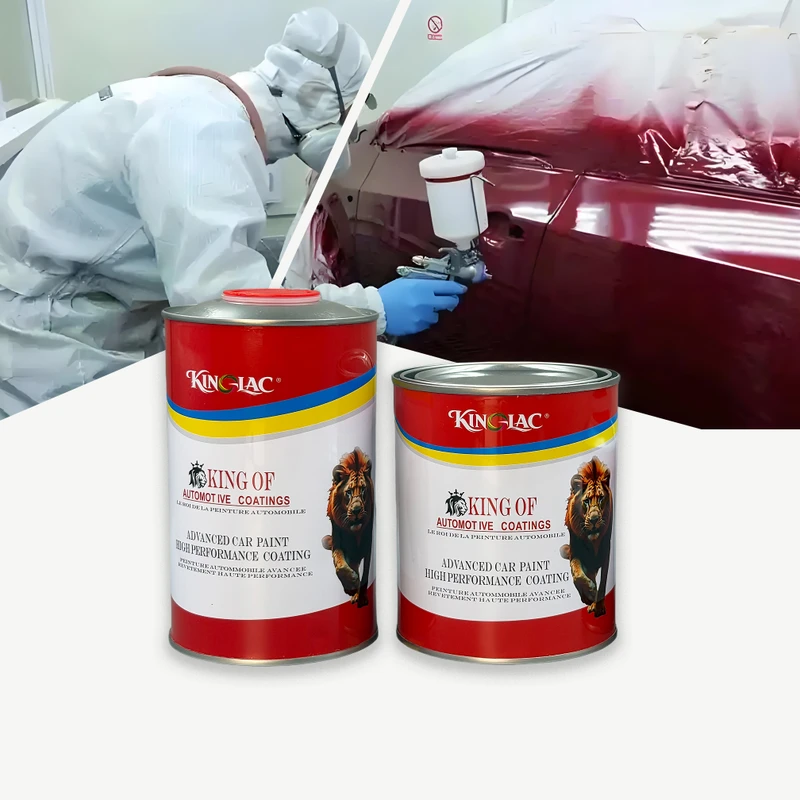
The paint film cleaner is a water-white, transparent liquid designed for spray application in automotive repair shops and coating-related environments. Its listed materials include xylene and butyl ester. Buyers should confirm paint-system compatibility, application procedures, labeling, transport requirements, and the availability of safety documentation before ordering.
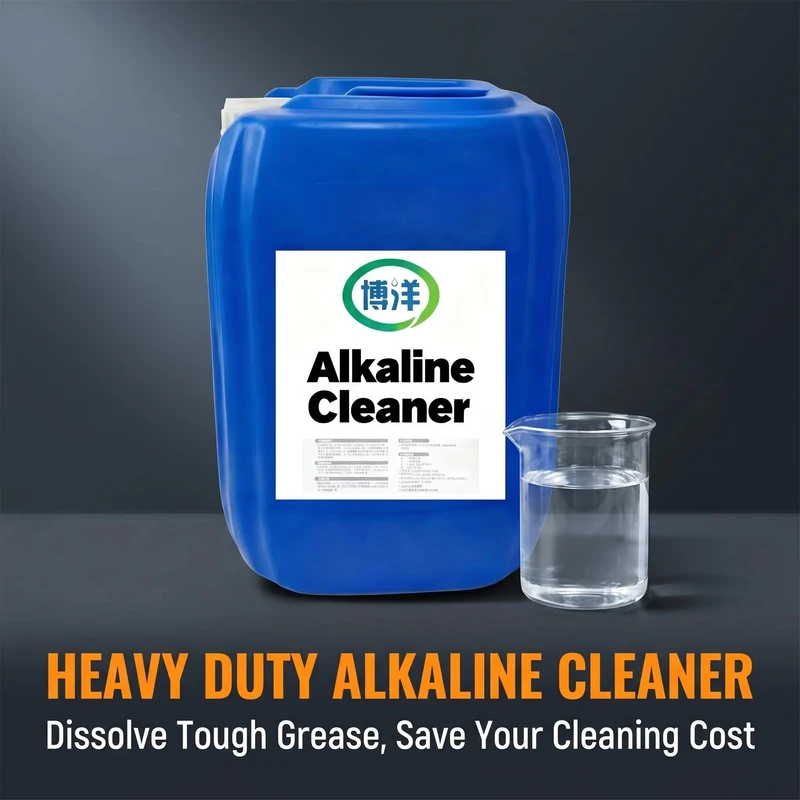
For mechanical oil and heavy-duty cleaning, the bulk alkaline cleaner offers a different sourcing direction. It is described as a white detergent raw material with a high-purity grade. Procurement teams should clarify concentration, pH, recommended dilution, compatible metals, bulk packaging options, storage conditions, and whether the formulation will be supplied as a finished cleaner or customized for a private label.
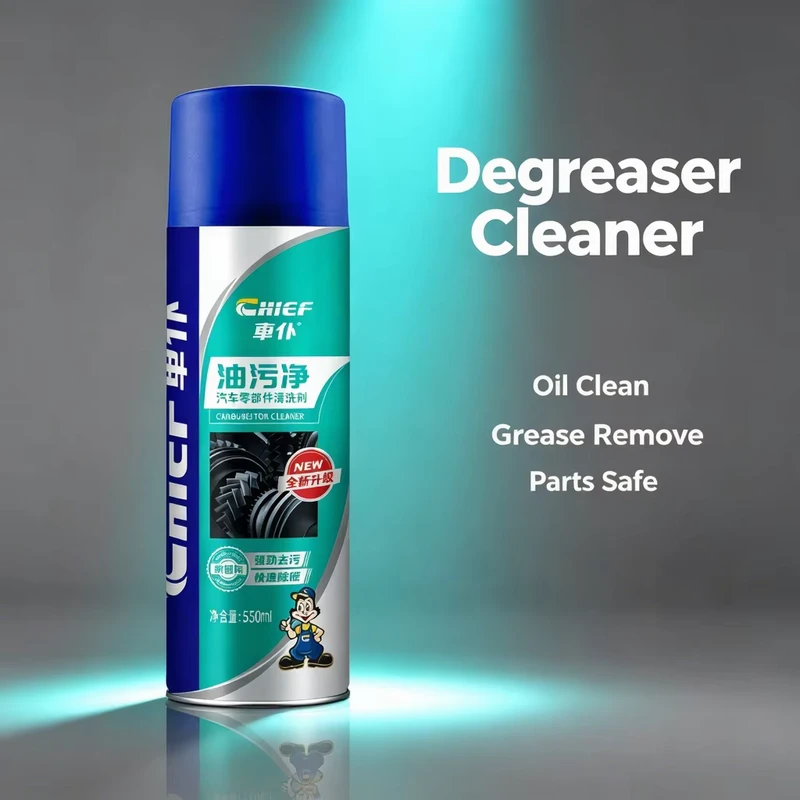
Check whether the pack suits the sales channel
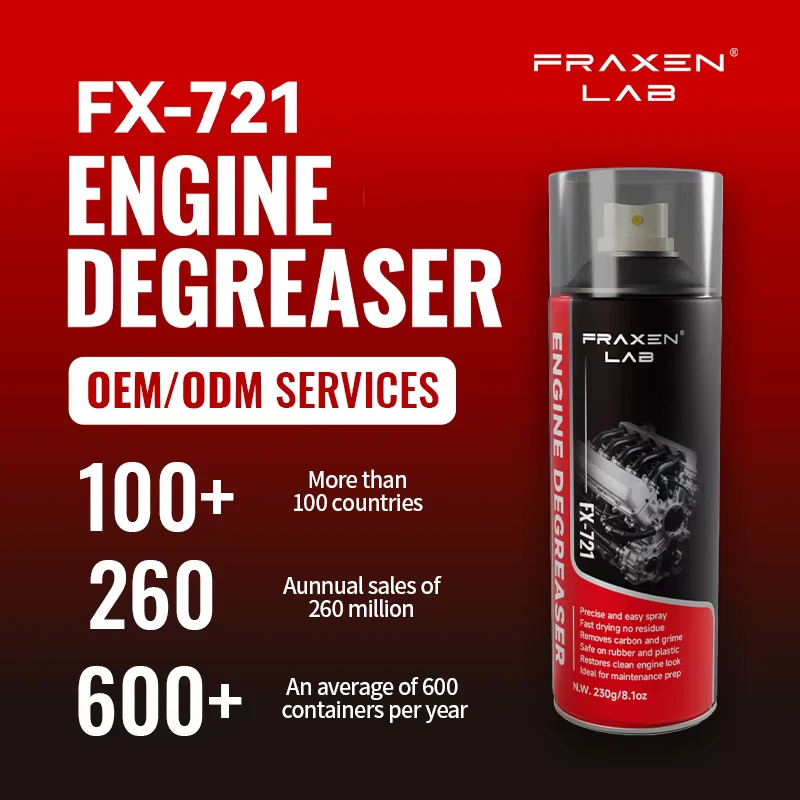
The 550 ml rust-removal foam is positioned for car care and engine cleaning, with a fresh-linen fragrance, three-year stated shelf life, and 24 pieces per carton. A 1:100 dilution ratio is also listed, so buyers should verify how this instruction applies to the supplied spray format. Its stated MOQ is 5,000 pieces, making packaging artwork and market forecasts especially important.
Order quantities vary considerably: the coating cleaner lists an MOQ of 12 cans, while the foam cleaner is intended for larger-volume OEM projects. Before requesting a quotation, prepare target packaging, required certifications, destination market, annual volume, and branding details. Samples, technical documents, carton specifications, and lead times can then be discussed efficiently with the supplier.